
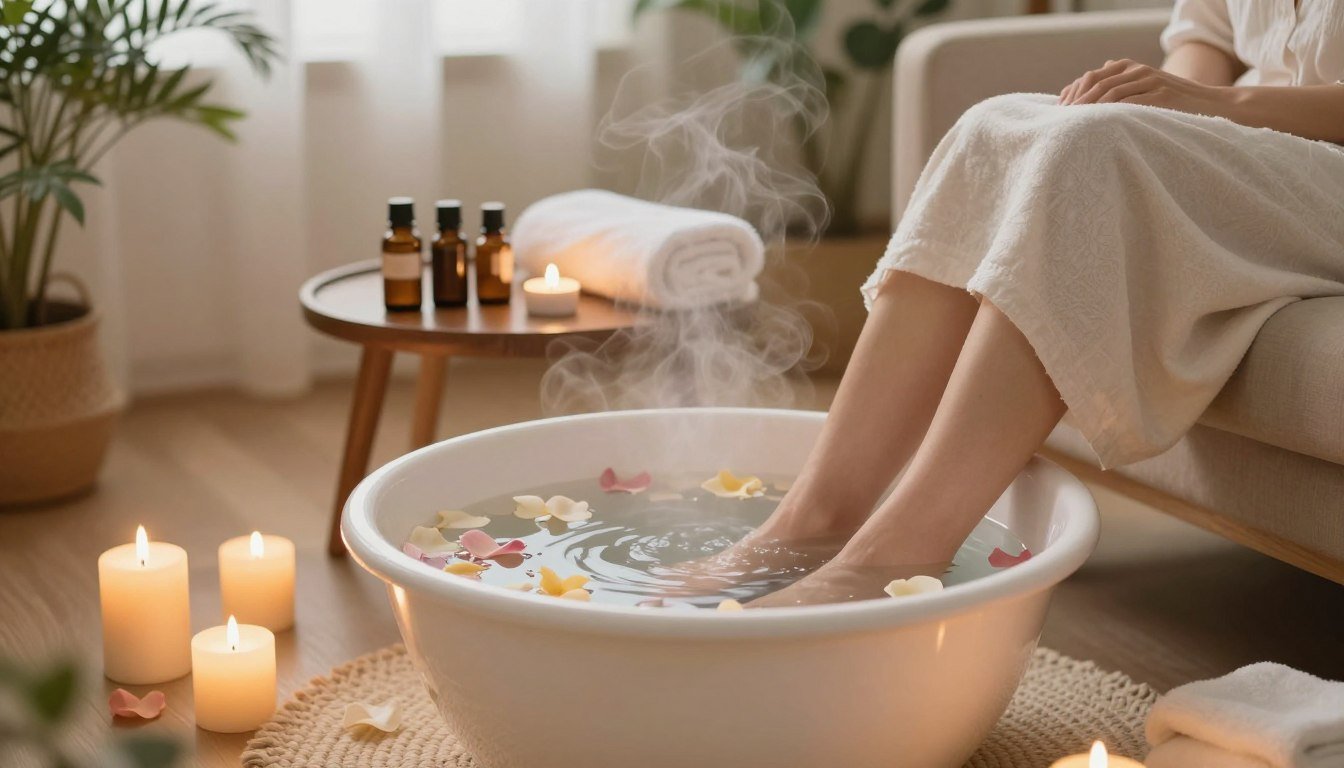
A warm soak can be just what you need to unwind after a long day. Soaking your feet in warm water is a simple yet effective way to stimulate circulation, relax the body, and support the immune system.
This ancient practice, rooted in Traditional Chinese Medicine and Ayurvedic traditions, offers numerous benefits for relaxation and sleep. By incorporating a foot bath into your evening routine, you can signal to your body that it’s time to rest, promoting a deeper and more restful sleep.
Key Takeaways
- Soaking your feet can stimulate circulation and relax the body.
- A foot bath can be a therapeutic ritual to unwind and prepare for restful sleep.
- Incorporating elements of Traditional Chinese Medicine and Ayurvedic practices can enhance the benefits.
- A consistent evening routine can promote deeper and more restful sleep.
- Natural sleep remedies like a warm foot bath can be an effective alternative to other sleep aids.
The Science Behind Foot Baths and Sleep Improvement
Understanding the science behind foot baths reveals their potential to significantly enhance sleep quality. The therapeutic effects of warm water on the body, particularly on the nervous system, play a crucial role in relaxation and preparing the body for restful sleep.
How Warm Water Affects Your Nervous System
Soaking your feet in warm water triggers a response in your nervous system, promoting relaxation. The warmth stimulates the release of certain neurotransmitters that help calm the mind and body, making it easier to fall asleep. This process is further enhanced by the calming effects of a foot bath, which can reduce stress and anxiety.
The Connection Between Feet and Sleep Quality
According to Traditional Chinese Medicine (TCM), the feet are home to over 60 acupoints and six meridians closely connected to major organs. Stimulating these areas through a foot bath can support overall health and well-being, including improving sleep quality. A foot soak for sleep can be particularly beneficial as it targets these sensitive areas, promoting a restful night’s sleep.
Research on Hydrotherapy and Sleep Disorders
Numerous studies have explored the benefits of hydrotherapy, including foot baths, in managing sleep disorders. Research indicates that regular foot baths can lead to improved sleep patterns by relaxing the body and reducing symptoms of insomnia and other sleep-related issues. The calming foot bath experience not only aids in falling asleep faster but also enhances the quality of sleep.
By understanding the scientific basis of how foot baths influence sleep, individuals can harness this simple yet effective technique to improve their sleep quality. Incorporating a foot bath into a nightly routine can be a powerful step towards achieving restful and rejuvenating sleep.
Benefits of a Foot Bath for Good Sleep
Soaking your feet in warm water before bedtime can lead to significant improvements in sleep quality. A consistent foot bath routine can be a valuable addition to your nightly regimen, promoting relaxation and preparing your body for restful sleep.

Physical Benefits: Circulation and Muscle Relaxation
One of the primary physical benefits of a foot bath is improved circulation. Warm water helps to dilate blood vessels, increasing blood flow to the feet and throughout the body. This enhanced circulation delivers more oxygen and nutrients to tissues, promoting overall health and well-being. Additionally, the warmth of the water relaxes muscles, ligaments, and tendons, reducing tension and discomfort.
The relaxation of muscles is particularly beneficial for individuals who experience foot pain or discomfort, as it can help alleviate symptoms and improve mobility. By incorporating a bedtime footbath into your routine, you can wake up feeling more refreshed and rejuvenated.
Mental Benefits: Stress Reduction and Mindfulness
Beyond the physical benefits, a foot bath can also have a profound impact on mental well-being. The act of soaking your feet in warm water can be meditative, encouraging mindfulness and reducing stress. As you focus on the sensation of the water and the relaxation of your feet, your mind begins to quiet, letting go of the day’s worries and concerns.
This mindfulness aspect of a foot bath can be particularly beneficial for individuals who struggle with stress or anxiety-related sleep disorders. By promoting relaxation and reducing mental tension, a foot bath routine can help create a more conducive sleep environment.
Sleep-Specific Benefits: Falling Asleep Faster and Deeper
The combination of physical relaxation and mental calmness induced by a foot bath can lead to significant sleep-specific benefits. By incorporating a bedtime footbath into your nightly routine, you may find that you fall asleep faster and sleep more deeply. The relaxation response triggered by the warm water helps regulate your body’s internal clock, leading to more consistent and restorative sleep patterns.
Furthermore, the ritualistic nature of a foot bath can signal to your brain that it’s time to sleep, helping to establish a consistent sleep schedule. By making a foot bath routine a regular part of your bedtime preparation, you can improve the overall quality of your sleep and wake up feeling more refreshed and revitalized.
Essential Supplies for the Perfect Bedtime Foot Bath
Creating the perfect bedtime foot bath experience starts with the right equipment. To set up your foot bath area, you’ll need a few essential items that will help you relax and unwind.
Choosing the Right Foot Bath Container
The first step is to select a suitable foot bath container. According to experts, you’ll need a sturdy foot basin or tub deep enough to cover your ankles. Consider a basin that is large enough to accommodate your feet comfortably, allowing you to relax your legs and feet fully.
- Look for a basin made from durable, comfortable materials.
- Ensure it has a non-slip surface to prevent accidents.
- A basin with a drainage system can make disposal of water easier.
Water Temperature Guidelines
Water temperature is crucial for a comfortable foot bath. The ideal temperature should be warm but not hot. The recommended temperature range is between 98°F and 104°F (36°C to 40°C). You can use a thermometer to check the temperature, ensuring it’s comfortable for your skin.
Towels, Timers, and Other Accessories
In addition to the foot bath basin, you’ll need a few other accessories to enhance your experience. These include:
- A soft, large towel to dry your feet.
- A timer to ensure you soak your feet for the right amount of time.
- Optional: essential oils, Epsom salts, or bath salts to add therapeutic benefits to your calming foot bath.
By choosing the right supplies, you can create a calming foot bath experience that prepares your body for a restful night’s sleep, reaping the foot bath benefits that contribute to overall well-being.
Therapeutic Ingredients to Enhance Your Foot Bath Experience
Elevate your foot bath experience with therapeutic ingredients that promote deep relaxation and restful sleep. By incorporating specific additives into your foot soak, you can significantly enhance the benefits of this bedtime ritual.
Essential Oils for Sleep and Relaxation
Essential oils are a popular addition to foot baths, offering a range of benefits for relaxation and sleep. Oils like lavender, chamomile, and bergamot are known for their calming effects. Lavender oil, in particular, has been shown to promote relaxation and reduce anxiety, making it an excellent choice for a bedtime foot bath. When using essential oils, it’s crucial to dilute them properly in water to avoid skin irritation.
Salts and Minerals: Epsom, Sea Salt, and Magnesium
Salts and minerals can add significant therapeutic value to your foot bath. Epsom salt, rich in magnesium, is particularly beneficial for muscle relaxation and reducing inflammation. Sea salt, on the other hand, can help soften and detoxify the skin. Magnesium, a key component of Epsom salt, plays a crucial role in promoting relaxation and improving sleep quality.
Herbs and Natural Additives
In addition to essential oils and salts, various herbs and natural additives can enhance your foot bath experience. Herbs like ginger and mugwort have been used traditionally for their therapeutic properties. Ginger, for instance, can help reduce inflammation, while mugwort is believed to promote relaxation and improve circulation. Other natural additives like saffron and chrysanthemum are also used for their calming effects and to promote a restful sleep.
By carefully selecting and combining these therapeutic ingredients, you can create a foot bath experience that not only relaxes your body but also calms your mind, preparing you for a deep and restful sleep.
Step-by-Step Guide to the Ultimate Foot Bath Ritual
To experience the full benefits of a foot bath, it’s essential to follow a step-by-step guide that covers preparation, soaking, and post-bath care. This comprehensive approach ensures that you create a calming foot bath experience that promotes deep relaxation and improves sleep quality.
Preparation: Setting the Scene
Before you start your foot bath, prepare your environment to maximize relaxation. This includes:
- Choosing a quiet, comfortable space free from distractions
- Adjusting the lighting to a soft, calming level
- Playing soothing music or nature sounds in the background
- Maintaining a comfortable room temperature
By setting the right atmosphere, you can enhance the effectiveness of your foot bath routine.
The Soaking Process: Timing and Technique
The soaking process is the core of your foot bath experience. For optimal relaxation, it’s recommended to soak your feet for 15–30 minutes before bed. This duration allows your body to fully unwind and prepares you for a restful night’s sleep.
| Soaking Time | Benefits |
|---|---|
| 15 minutes | Relaxation and stress relief |
| 20-30 minutes | Enhanced relaxation, improved sleep quality |
During the soaking process, you can further enhance your experience by gently massaging your feet or using a soft brush to exfoliate your skin.
Post-Bath Care for Maximum Benefits
After your foot bath, it’s crucial to take a few extra steps to maximize its benefits. This includes:
- Gently drying your feet, paying extra attention to the areas between your toes
- Applying a moisturizer to keep your skin hydrated and soft
- Engaging in a relaxing activity, such as reading or meditation, before bed
By following this step-by-step guide to the ultimate foot bath ritual, you can create a best foot bath for sleep experience that enhances your overall well-being and promotes a restful night’s sleep.
Creating a Calming Atmosphere for Your Foot Bath Routine
Establishing a serene environment is crucial for maximizing the benefits of your foot bath routine. A well-crafted ambiance can significantly enhance the relaxation experience, preparing your body and mind for a restful night’s sleep.
Lighting and Sound Considerations
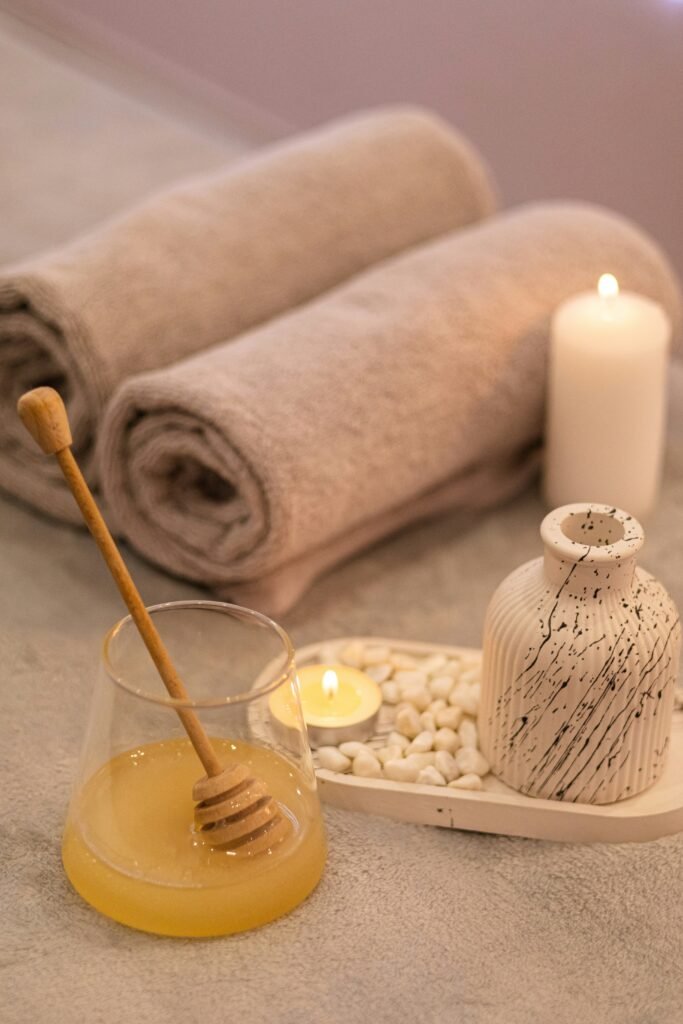
The right lighting and sound can make or break the tranquility of your foot bath experience. Soft, warm lighting is ideal, as it promotes relaxation and reduces eye strain. Consider using candles or dimmable LED lights to achieve the perfect glow. For sound, opt for calming music or nature sounds that can help mask background noise and create a peaceful atmosphere.
Aromatherapy and Scent Pairings
Aromatherapy can play a significant role in enhancing your foot bath experience. Certain scents, such as lavender and chamomile, are known for their calming effects and can be incorporated into your foot bath through essential oils. When pairing scents, consider combining complementary aromas to create a unique and relaxing fragrance.
| Essential Oil | Benefits |
|---|---|
| Lavender | Promotes relaxation and calms the mind |
| Chamomile | Soothes and calms the body, reducing stress |
| Frankincense | Reduces anxiety and promotes a sense of calm |
Minimizing Distractions for Deep Relaxation
To fully benefit from your foot bath, it’s essential to minimize distractions. This can be achieved by turning off electronic devices, such as TVs and smartphones, and finding a quiet, comfortable spot for your foot bath. By reducing external stimuli, you can focus on your relaxation and prepare your body for a restful night’s sleep.
By incorporating these elements into your foot bath routine, you can create a truly calming atmosphere that promotes deep relaxation and improves the quality of your sleep. As part of a broader approach to natural sleep remedies, a well-crafted foot bath experience can be a valuable tool in your quest for better rest.
Timing Your Foot Bath for Optimal Sleep Benefits
To reap the full benefits of a foot bath for good sleep, timing is everything. The evening is the best time for a foot bath, as it helps signal to your body that it’s time to wind down. According to experts, it’s recommended to take a foot bath 1-2 hours after a meal.
Ideal Time Window Before Bedtime
The ideal time to take a foot bath is about 1-2 hours before bedtime. This allows your body to relax and your core temperature to drop, making it easier to fall asleep. Taking a foot bath too close to bedtime can actually interfere with your sleep, as the initial warmth can be stimulating.
As noted by sleep specialists, “A foot bath can be a great way to unwind before bed, but it’s essential to time it correctly to avoid disrupting your sleep patterns.”
“A warm bath or foot bath can help to relax the muscles, calm the mind, and prepare the body for sleep.”
Duration Recommendations Based on Sleep Needs
The duration of your foot bath can vary based on your individual sleep needs. Generally, a 15-20 minute foot bath is sufficient for most people. However, if you’re experiencing high levels of stress or muscle tension, you may benefit from a longer soak.
| Sleep Need | Recommended Foot Bath Duration |
|---|---|
| Normal Sleep | 15-20 minutes |
| Stress or Anxiety | 20-30 minutes |
| Muscle Tension or Pain | 30-40 minutes |
Incorporating Foot Baths into Your Nightly Routine
To maximize the sleep benefits of your foot bath, it’s essential to incorporate it into your nightly routine consistently. Start by setting a specific time and day for your foot bath and stick to it, even on weekends. Combine your foot bath with other relaxing activities, such as reading or meditation, to enhance the experience.
Tips for a Consistent Foot Bath Routine:
- Schedule your foot bath at the same time every evening.
- Create a calming atmosphere with dim lighting and soothing music.
- Use a timer to ensure you don’t overstay.
By timing your foot bath correctly and incorporating it into your nightly routine, you can significantly improve the quality of your sleep. Experiment with different durations and ingredients to find what works best for you.
Customizing Your Foot Bath for Specific Sleep Issues
To get the most out of your foot bath, it’s essential to customize it according to your sleep needs. Different sleep issues may require different approaches to foot baths. By tailoring your foot bath experience, you can address specific challenges and improve the quality of your sleep.

Solutions for Insomnia and Difficulty Falling Asleep
For individuals struggling with insomnia or difficulty falling asleep, a foot bath can be particularly beneficial. Adding calming essential oils like lavender or chamomile to your foot bath can enhance relaxation. You can also consider using Epsom salts or magnesium-rich products to promote muscle relaxation and reduce stress.
To further customize your foot bath for insomnia, you might want to adjust the water temperature. A warm bath can help lower your body’s core temperature, signaling that it’s time to sleep. Experimenting with different temperatures can help you find what works best for you.
Addressing Restless Legs and Nighttime Anxiety
Restless legs syndrome and nighttime anxiety can significantly disrupt sleep. For these issues, a foot bath with magnesium can be particularly helpful. Magnesium has a calming effect on the nervous system and can help alleviate restless legs symptoms. Adding a few drops of peppermint essential oil can also help soothe and relax the muscles.
To address nighttime anxiety, creating a calming atmosphere around your foot bath is crucial. This can include dimming the lights and playing soothing music in the background. The goal is to signal to your brain that it’s time to unwind.
Seasonal Adjustments for Year-Round Benefits
Your foot bath routine can benefit from seasonal adjustments to keep it effective throughout the year. In the winter, you might prefer warmer water and ingredients like ginger or cinnamon to promote circulation and warmth. In the summer, cooler water or the addition of cooling essential oils like peppermint can be refreshing.
By making these seasonal adjustments, you can keep your foot bath routine fresh and tailored to your current needs, ensuring that you continue to reap the sleep benefits all year round.
Troubleshooting Common Foot Bath Challenges
As you incorporate foot baths into your nightly routine, you may encounter a few common challenges that can be easily addressed. While foot baths are generally a straightforward way to enhance sleep quality, some users may face issues that require troubleshooting. In this section, we’ll explore some of the most common problems and provide practical solutions to help you get the most out of your foot bath experience.
When Your Foot Bath Isn’t Working for Sleep
If you find that your foot bath isn’t improving your sleep, there are several factors to consider. First, ensure that you’re using the correct water temperature. Water that’s too hot or too cold can be counterproductive. According to experts, the ideal temperature for a relaxing foot bath is between 98°F and 104°F (36°C to 40°C). Additionally, consider the duration of your foot bath. Soaking for too short a time may not be effective, while soaking for too long can lead to overheating. A general guideline is to soak for 15 to 20 minutes.
“The key to a successful foot bath is finding the right balance between relaxation and stimulation.” This balance can be achieved by adjusting the ingredients you add to your foot bath. For instance, incorporating Epsom salts or essential oils like lavender can enhance relaxation and promote better sleep.
Adjusting for Sensitive Skin and Allergies
For individuals with sensitive skin or allergies, it’s crucial to choose ingredients carefully. Some essential oils, for example, can cause skin irritation. Always perform a patch test before using a new oil or ingredient in your foot bath. If you experience any discomfort or allergic reactions, discontinue use and consider alternative ingredients. Epsom salt and sea salt are generally gentle and can be a good starting point.
When dealing with sensitive skin, it’s also important to be mindful of the temperature and duration of your foot bath. Lukewarm water and shorter soaking times can help minimize the risk of irritation. If you’re unsure about what ingredients to use, consulting with a healthcare professional or a dermatologist can provide personalized guidance.
Making Foot Baths Work in Limited Space
Not everyone has the luxury of a large bathroom or a dedicated space for a foot bath. However, there are several ways to adapt this practice to smaller environments. Consider using a compact foot bath tub that can be easily stored when not in use. Alternatively, you can even use a large bowl or basin as a substitute for a dedicated foot bath tub.
To further enhance your foot bath experience in limited spaces, focus on creating a calming atmosphere. This can be achieved by dimming the lights, playing soothing music, and using aromatherapy. By minimizing distractions and creating a peaceful environment, you can enjoy the benefits of a foot bath even in a small space.
By addressing these common challenges and making a few simple adjustments, you can optimize your foot bath routine to achieve deeper relaxation and improved sleep quality. Remember, the key is to be flexible and responsive to your body’s needs.
Conclusion: Transforming Your Sleep Quality One Foot Bath at a Time
Incorporating a foot bath into your nightly routine can be a game-changer for achieving deep relaxation and restful sleep. By understanding the science behind foot baths and sleep improvement, you can harness the power of this simple yet effective natural sleep remedy.
Regular foot baths can lead to improved sleep quality and overall well-being. As discussed, the right combination of warm water, essential oils, and therapeutic ingredients can calm your mind and body, preparing you for a restful night’s sleep. By making foot baths a part of your foot bath routine, you can wake up feeling refreshed and rejuvenated.
Start your journey to better sleep tonight by creating a calming atmosphere, choosing the right therapeutic ingredients, and timing your foot bath for optimal sleep benefits. With consistent practice, you can transform your sleep quality and enjoy the many benefits of a foot bath for good sleep, exploring natural sleep remedies that work for you.
