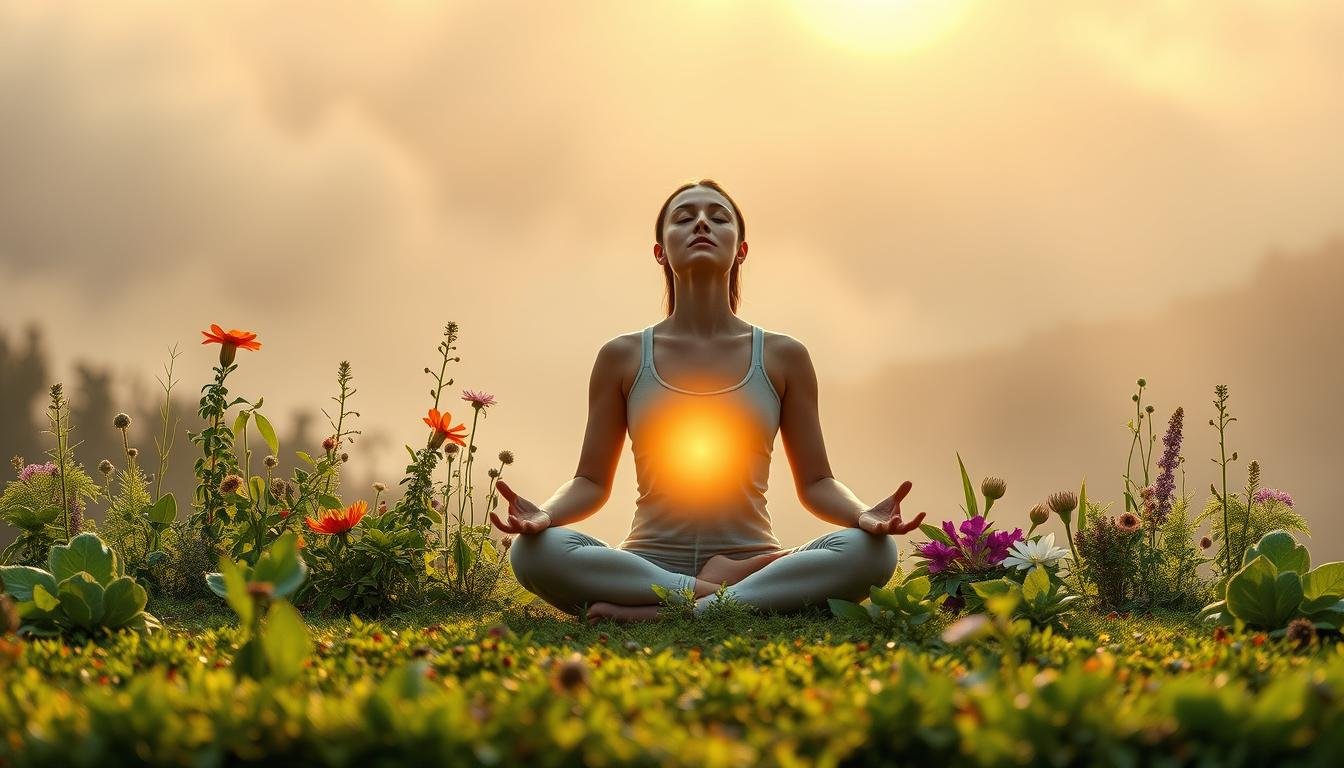
In today’s fast-paced world, achieving a balanced life can seem daunting. However, by embracing a holistic lifestyle, individuals can foster a deeper connection between their mind, body, and spirit, leading to enhanced overall wellbeing.
Adopting a holistic approach means considering the intricate relationships between physical health, mental clarity, and spiritual fulfillment. This comprehensive method encourages individuals to look beyond mere physical health, cultivating a more meaningful and fulfilling existence.
Key Takeaways
- Understanding the concept of holistic health
- Recognizing the importance of mind-body-spirit connection
- Exploring ways to integrate holistic practices into daily life
- Discovering the benefits of a balanced lifestyle
- Achieving overall wellbeing through a holistic approach
Understanding Holistic Lifestyle: What It Means
A holistic lifestyle is about integrating natural living and mindful practices into daily life to achieve overall wellness. This approach considers the whole person – body, mind, and spirit – in the pursuit of health and happiness.
Defining Holistic Wellness
Holistic wellness is a state of being that encompasses physical, emotional, mental, and spiritual health. It’s about recognizing the interconnectedness of these aspects and nurturing them to achieve a balanced life. Mindful practices such as meditation and yoga play a crucial role in this nurturing process.
The Importance of Balance
Balance is a cornerstone of holistic living. It involves finding a harmony between different aspects of life, such as work and leisure, activity and rest. Achieving this balance is key to maintaining overall wellbeing and preventing burnout.
| Aspect of Life | Activities for Balance |
|---|---|
| Physical Health | Exercise, Nutrition |
| Mental Health | Meditation, Mindfulness |
| Spiritual Health | Prayer, Connection with Nature |
Mind, Body, Spirit Connection
The connection between the mind, body, and spirit is fundamental to holistic wellness. Each aspect influences the others, and together they form a complex system that defines our overall health. Practices that nurture this connection, such as mindfulness and meditation, are essential for achieving a state of holistic wellbeing.
By understanding and embracing the principles of holistic living, individuals can take a proactive approach to their health, leading to a more balanced and fulfilling life.
Key Elements of a Holistic Lifestyle
Adopting a holistic lifestyle involves integrating various elements that work together to enhance overall wellbeing. This approach recognizes that health and happiness are influenced by multiple factors, including physical health, mental and emotional state, and the environment around us.

Nutrition and Diet
A balanced diet is foundational to a holistic lifestyle. It’s not just about consuming the right nutrients; it’s also about savoring the experience of eating. Whole foods, rich in vitamins, minerals, and antioxidants, should be the cornerstone of one’s diet. Incorporating self-care tips like mindful eating can significantly enhance digestion and overall health.
As noted by wellness experts, “Eating a rainbow of colors on your plate ensures a broad spectrum of nutrients.” This approach to nutrition supports the body’s natural healing processes and promotes energy and vitality.
Physical Activity
Regular physical activity is another crucial element of holistic living. Exercise is not just about physical health; it also has a profound impact on mental wellbeing. Activities like yoga and tai chi combine physical movement with mindfulness techniques, promoting a sense of calm and reducing stress.
Engaging in physical activities that bring joy, whether it’s walking, dancing, or hiking, can make exercise feel less like a chore and more like a celebration of the body’s capabilities.
Mental and Emotional Wellbeing
Mental and emotional wellbeing is deeply intertwined with physical health. Practices such as meditation, journaling, and therapy can help manage stress and foster emotional resilience. Holistic living encourages individuals to explore their emotional landscapes and cultivate a positive mindset.
“The mind is everything; what you think, you become.” – Buddha
This wisdom underscores the importance of mental and emotional care in achieving a balanced life.
Environment and Community
The environment and the community we surround ourselves with play a significant role in our holistic wellbeing. Creating a living space that is calm, organized, and filled with natural elements can enhance our sense of wellbeing. Similarly, being part of a supportive community can provide a sense of belonging and connection.
As we navigate our wellness blog journey, it’s clear that every aspect of our lives is interconnected. By focusing on these key elements, we can create a more balanced, harmonious life.
The Role of Mindfulness in Holistic Health
In the pursuit of holistic wellbeing, mindfulness plays a crucial role by fostering a deeper connection between mind, body, and spirit. Mindfulness practices have been increasingly recognized for their potential to reduce stress, improve mental clarity, and enhance overall health.
Overview of Mindfulness Techniques
Mindfulness involves various techniques that help individuals cultivate a state of awareness and presence. Some of the most effective mindfulness practices include:
- Meditation: Focusing the mind to achieve a state of calm and clarity.
- Deep Breathing Exercises: Conscious breathing to reduce stress and promote relaxation.
- Body Scan: Paying attention to physical sensations to release tension.
These techniques can be incorporated into daily routines to promote a sense of calm and wellbeing.
Benefits of Mindfulness in Daily Life
The benefits of mindfulness extend beyond the practice itself, influencing various aspects of daily life. Some of the key benefits include:
- Reduced Stress: Mindfulness practices have been shown to decrease the production of stress hormones like cortisol.
- Improved Focus: Regular mindfulness practice can enhance concentration and mental clarity.
- Emotional Regulation: Mindfulness helps in managing emotions, leading to greater emotional resilience.
To illustrate the impact of mindfulness, consider the following comparison:
| Aspect | Without Mindfulness | With Mindfulness |
|---|---|---|
| Stress Levels | High | Reduced |
| Mental Clarity | Clouded | Improved |
| Emotional State | Reactive | Regulated |
Integrating Natural Remedies and Therapies
To truly elevate your wellbeing, incorporating natural remedies and therapies is essential. This approach not only complements conventional healthcare but also fosters a deeper connection with nature and your inner self.
Natural remedies and therapies have been used for centuries across various cultures, offering a wealth of options for those seeking a holistic lifestyle. These practices range from herbal medicine and essential oils to acupuncture and other alternative therapies.

Herbal Medicine and Supplements
Herbal medicine involves using plants or plant extracts to promote health and prevent disease. Popular herbs like turmeric, ginger, and echinacea are known for their anti-inflammatory and immune-boosting properties.
When considering herbal supplements, it’s crucial to consult with a healthcare professional to avoid potential interactions with medications or adverse effects.
Essential Oils and Aromatherapy
Aromatherapy is the practice of using essential oils derived from plants to enhance physical and emotional wellbeing. Oils like lavender and chamomile are used for their calming effects, while peppermint and eucalyptus are invigorating and can help relieve respiratory issues.
To safely use essential oils, always dilute them with a carrier oil and perform a patch test to check for sensitivity.
Acupuncture and Alternative Therapies
Acupuncture, a form of traditional Chinese medicine, involves inserting thin needles into specific points on the body to restore balance and promote healing. Other alternative therapies include massage, reflexology, and meditation.
| Therapy | Description | Benefits |
|---|---|---|
| Acupuncture | Involves inserting thin needles into specific body points | Pain relief, stress reduction |
| Massage Therapy | Manipulates soft body tissues | Relaxation, improved circulation |
| Reflexology | Applies pressure to specific foot points | Stress relief, improved wellbeing |
By integrating these natural remedies and therapies into your daily routine, you can take a proactive approach to your health and wellbeing, aligning with the principles of holistic living.
Building a Supportive Community
Building a community that shares your values and supports your wellbeing goals is a cornerstone of holistic living. A supportive community can provide motivation, understanding, and a sense of belonging, which are crucial for maintaining a balanced lifestyle.
The Benefits of Group Support
Group support offers numerous benefits, including emotional support, shared knowledge, and collective motivation. Being part of a community that understands your journey can make a significant difference in your ability to stay committed to your holistic practices.
Some key benefits of group support include:
- Emotional support during challenging times
- Opportunities to share experiences and advice
- A sense of accountability and motivation
Finding Like-Minded Individuals
Finding like-minded individuals can be achieved through various channels. Local wellness centers, yoga studios, and community events are great places to start. You can also join online forums and social media groups dedicated to holistic living.
Here are some tips for finding your community:
- Attend local workshops and events focused on wellbeing
- Join online forums and discussion groups
- Participate in social media communities centered around holistic living
Online Communities and Resources
The internet offers a wealth of resources for connecting with others who share your interests in holistic living. From online forums to social media groups, there are numerous platforms where you can find support and information.
A comparison of popular online platforms for holistic living communities:
| Platform | Features | Benefits |
|---|---|---|
| Facebook Groups | Discussion forums, event planning | Easy to join, large user base |
| Subreddits dedicated to specific topics | Active communities, diverse topics | |
| Wellness Forums | Dedicated spaces for sharing experiences | Targeted support, in-depth discussions |
By engaging with these communities, you can enhance your holistic living journey, gain valuable insights, and build meaningful relationships with like-minded individuals.
Creating a Holistic Routine
By integrating mindful practices into your daily schedule, you can cultivate a more balanced and fulfilling life. A holistic routine is designed to nurture your mind, body, and spirit, promoting overall wellbeing.
Daily Practices for a Balanced Life
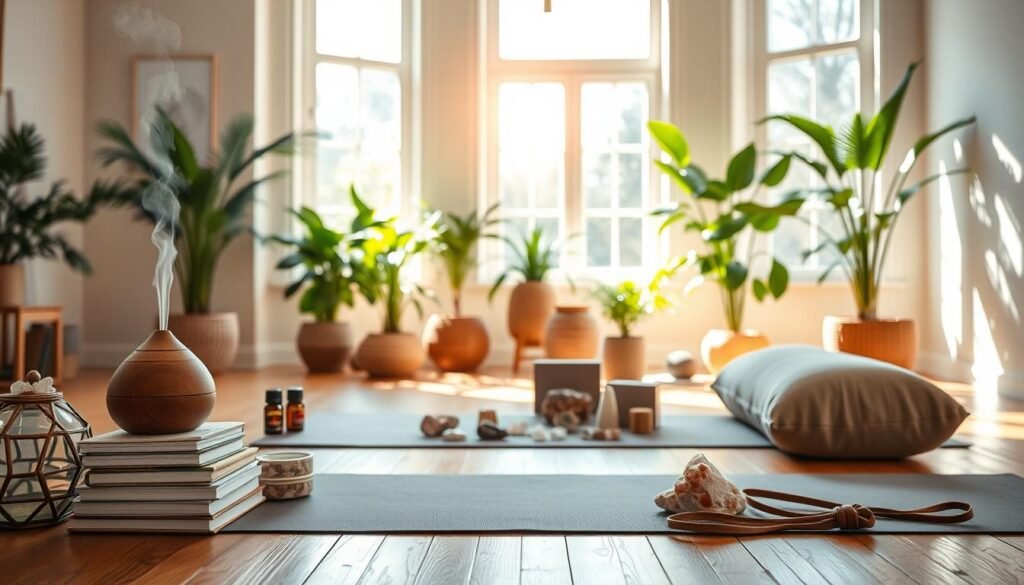
Starting your day with a consistent routine can set a positive tone for the hours ahead. This can include morning meditation, journaling, or a short session of yoga. Incorporating these self-care tips into your morning can enhance your mental clarity and prepare you for the day’s challenges.
A key aspect of daily practices is nutrition. Focusing on whole, nutrient-rich foods can significantly impact your energy levels and overall health. Planning your meals in advance can help ensure you’re fueling your body with the right foods.
Evening Routines for Restorative Sleep
Establishing an evening routine is crucial for achieving restorative sleep. This can involve activities such as reading, a warm bath, or practicing gentle stretches. Avoiding screens and electronic devices before bedtime can also improve sleep quality.
Creating a sleep-conducive environment is equally important. Ensuring your bedroom is dark, quiet, and at a comfortable temperature can make a significant difference in the quality of your sleep.
Incorporating Holistic Practices into Your Schedule
Finding time for holistic practices can be challenging, especially with a busy schedule. However, even small moments of mindfulness, such as deep breathing exercises or a short walk, can be beneficial. The key is consistency and being flexible with your routine.
Utilizing a planner or app to schedule your holistic practices can help you stay committed. It’s also important to be patient and kind to yourself as you develop your routine, understanding that it’s a process to find what works best for you.
Overcoming Challenges in Holistic Living
While holistic living offers numerous benefits, it also presents challenges that must be addressed to achieve lasting change. As individuals embark on this journey, they often encounter various obstacles that can hinder their progress.
Common Obstacles
One of the primary challenges is the lack of time to dedicate to holistic practices. Many people lead busy lives, making it difficult to find moments for meditation, exercise, or preparing healthy meals. “I’m too busy” is a common refrain, but it’s essential to recognize that even small moments of mindfulness can be beneficial.
Another significant obstacle is motivation. Maintaining the enthusiasm to continue with holistic practices over time can be daunting. As one expert notes,
“The key to maintaining motivation is to start small and be consistent.”
This approach helps in building habits that are sustainable in the long term.
Strategies for Staying Committed
To overcome these challenges, several strategies can be employed. Firstly, setting realistic goals is crucial. By setting achievable milestones, individuals can maintain their motivation and track their progress. For instance, committing to a 10-minute meditation session daily is more feasible than aiming for an hour-long session without prior practice.
Another effective strategy is tracking progress. Keeping a journal or using an app to monitor progress can provide a sense of accomplishment and encourage continued practice. As the saying goes, “What gets measured, gets managed.”
Lastly, seeking support when needed is vital. Connecting with like-minded individuals or joining a wellness community can provide the necessary encouragement and accountability. As highlighted by a wellness expert,
“Having a supportive community can make a significant difference in one’s journey to holistic wellness.”
By understanding the common obstacles and employing effective strategies, individuals can overcome the challenges associated with holistic living and achieve a more balanced and fulfilling life.
The Impact of Technology on Holistic Wellness
As we navigate the complexities of modern life, technology emerges as a crucial factor in our pursuit of holistic wellness. The digital landscape is replete with tools and platforms designed to support our wellbeing, from meditation apps to online communities centered around health and wellness.

Useful Apps and Tools
The market is flooded with apps and digital tools aimed at enhancing holistic health. These include mindfulness and meditation apps like Headspace and Calm, fitness trackers such as Fitbit, and platforms offering online yoga classes. Such tools make it easier for individuals to incorporate mindful practices into their daily routines.
Some of the most beneficial apps for holistic wellness include:
- Meditation and mindfulness apps
- Fitness and activity trackers
- Nutrition planning and tracking tools
- Online yoga and fitness classes
Balancing Tech Use with Wellness Practices
While technology offers numerous benefits for holistic health, it’s crucial to strike a balance between tech use and wellness practices. Excessive screen time can negatively impact mental and physical health, underscoring the need for mindful technology use.
To achieve this balance, consider implementing the following strategies:
- Set boundaries around your tech use, such as device-free times or days.
- Use technology to track and manage your wellbeing, such as through fitness apps or meditation timers.
- Engage in offline activities that promote wellbeing, like outdoor activities or reading.
By being mindful of our technology use and leveraging it in a way that supports our wellbeing, we can enhance our holistic wellness journey. It’s about finding a harmonious balance that allows us to reap the benefits of technology while nurturing our overall health.
Future of Holistic Lifestyle and Wellness
As we move forward, the holistic lifestyle continues to evolve, incorporating new practices and technologies that enhance our wellbeing. Embracing a holistic approach to health means staying informed about the latest trends and adapting our routines to suit a modern world.
Emerging Trends
Some of the emerging trends in holistic wellness include the use of wearable technology to track our physical and mental health, and the integration of sustainable living practices into our daily routines. Natural living is becoming increasingly popular, with individuals seeking out organic and locally sourced products.
Holistic Choices in a Modern World
Making holistic choices in today’s fast-paced world requires a commitment to prioritizing our wellbeing. By incorporating holistic practices such as mindfulness and meditation into our daily routines, we can maintain a sense of balance and harmony. The future of holistic lifestyle and wellness is about finding ways to live in harmony with our environment and with ourselves, embracing a holistic wellness approach that nurtures both body and mind.
