


Kapalbhati Pranayama Benefits + How to Do It (Beginner Guide)
Did you know that the average person takes over 20,000 breaths every single day, yet most of us use only a fraction of our lung capacity? By mastering specific rhythmic patterns, you can unlock a natural way to detoxify your system and sharpen your mental clarity. This ancient practice is often called the “skull-shining breath” because of its unique ability to invigorate the mind.
Our kapalbhati pranayama beginner guide provides a clear path for those ready to start their journey. You will learn the essential steps for kapalbhati pranayama how to do it safely in your own home. Discovering these techniques can transform your daily wellness routine by boosting energy levels and calming the nervous system.
Exploring the kapalbhati pranayama benefits reveals why this exercise remains a staple in modern yoga. Whether you seek physical vitality or emotional balance, this practice offers a powerful tool for self-care. Let us dive into the mechanics of this transformative breathwork.
Key Takeaways
- Learn the foundational “skull-shining” breathing technique.
- Understand how rhythmic exhalations help detoxify the body.
- Improve mental focus and cognitive clarity through consistent practice.
- Follow safety protocols to ensure a gentle start for newcomers.
- Integrate short sessions into your morning routine for maximum impact.
Understanding the Foundations of Kapalbhati Pranayama
Kapalbhati is more than just a simple breathing exercise; it is a powerful gateway to mental clarity and physical vitality. By engaging in this kapalbhati pranayama breathing technique, you invite a sense of renewal into your daily routine. Understanding the core principles of this practice is the first step toward a successful and safe experience.
What is Kapalbhati?
The term originates from two Sanskrit words that define its primary purpose. Kapal translates to “forehead” or “skull,” while bhati means “shining” or “illuminating.” Together, they describe a process designed to clear the mind and brighten the intellect.
At its core, this practice involves a series of rhythmic, forceful exhalations followed by passive inhalations. It is often categorized as a cleansing technique in traditional yoga, aimed at removing toxins and stagnant energy from the body. When you practice regularly, you may notice a significant shift in your overall alertness.
The Philosophy Behind Skull Shining Breath
Rooted deeply in the traditions of Hatha Yoga, this practice serves as a vital tool for purifying the body’s energy channels, known as nadis. Ancient practitioners believed that by clearing these pathways, one could achieve a higher state of consciousness and physical health.
The philosophy behind this kapalbhati pranayama breathing method focuses on several key pillars:
- Purification: Removing physical and mental impurities to restore balance.
- Illumination: Sharpening the mind to achieve greater focus and cognitive function.
- Energy Flow: Stimulating the internal systems to promote vitality and longevity.
By integrating these foundational concepts, you move beyond mere exercise and into a deeper connection with yogic traditions. This holistic approach ensures that your practice supports both your mental well-being and your physical strength.
The Science and Kapalbhati Pranayama Benefits
Delving into the mechanics of this technique uncovers the secrets to its cleansing power. When you practice, you engage in a rhythmic cycle that does more than just move air. Understanding the kapalbhati pranayama benefits requires a look at how your body responds to controlled, forceful exhalations.
Physiological Impact on the Respiratory System
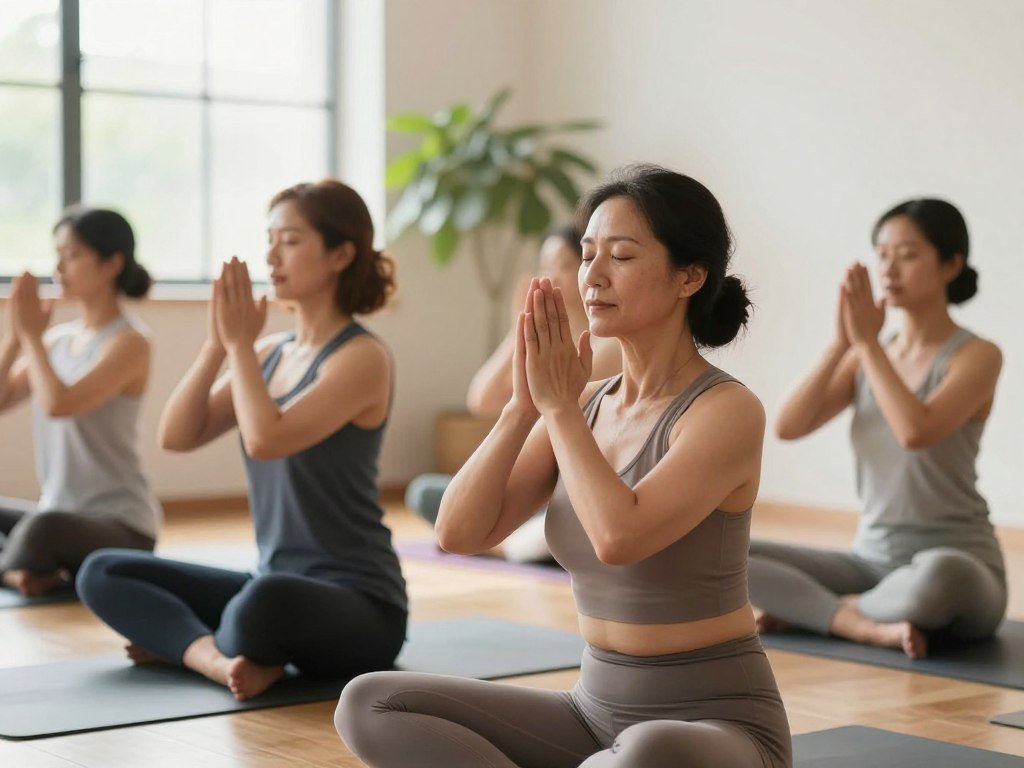
The primary function of this practice is the efficient removal of carbon dioxide from the lungs. By using short, sharp exhalations, you effectively clear out stale air that often remains trapped in the lower lobes of the lungs. This process encourages a more complete gas exchange, which significantly boosts your oxygen intake.
“Breath is the bridge which connects life to consciousness, which unites your body to your thoughts.”
Regular practice helps strengthen the diaphragm and intercostal muscles. As these muscles become more resilient, your overall lung capacity improves. This is one of the most notable kapalbhati pranayama benefits for those looking to enhance their respiratory endurance.
Metabolic and Digestive Advantages
Beyond the lungs, the abdominal pumping action acts as a gentle massage for your internal organs. This rhythmic movement stimulates the digestive tract, which can lead to better nutrient absorption and more efficient waste elimination. Many practitioners report a noticeable increase in their metabolic vitality after consistent sessions.
The following table outlines how these specific physiological changes contribute to your overall well-being:
| System | Mechanism | Primary Benefit |
|---|---|---|
| Respiratory | Forced Exhalation | Increased Oxygenation |
| Digestive | Abdominal Pumping | Improved Digestion |
| Metabolic | Increased Circulation | Higher Energy Levels |
By integrating these movements, you support your body’s natural detoxification pathways. These kapalbhati pranayama benefits work in harmony to create a sense of internal balance and physical lightness.
Preparing for Your Practice
Success in your practice starts long before you take your first breath. Proper preparation ensures that your kapalbhati pranayama breathing session is both safe and effective. By organizing your surroundings and your schedule, you create the perfect conditions for deep, transformative work.
Creating a Calm Environment
Finding a quiet space is essential for maintaining focus during your session. Choose a location where you will not be interrupted by noise or daily distractions. A clean, clutter-free area helps your mind settle quickly, allowing you to direct your full attention to the rhythmic movement of your abdomen.
You might consider using a comfortable mat or a firm cushion to support your posture. Dimming the lights or playing soft, ambient music can also help you enter a state of relaxation. When your environment is peaceful, your kapalbhati pranayama breathing becomes much more intuitive and rewarding.
Optimal Timing for Your Breathing Session
Timing plays a significant role in how your body responds to these vigorous exercises. It is vital to practice on an empty stomach to avoid any physical discomfort during the rapid abdominal contractions. Most practitioners find that early morning, shortly after waking and using the restroom, is the most effective time to begin.
If you cannot practice in the morning, ensure you wait at least three to four hours after your last meal. Consistency is the secret to long-term progress, so try to schedule your kapalbhati pranayama breathing at the same time each day. This habit helps your body anticipate the practice, making it easier to slip into a flow state every time you sit down.
Step-by-Step Kapalbhati Pranayama How to Do It
If you are wondering about the exact kapalbhati pranayama steps, this guide provides a clear path forward. Learning the correct technique is essential for a safe and effective practice. By following these kapalbhati pranayama instructions, you can ensure that your body remains aligned and your breath stays rhythmic.
Finding a Comfortable Seated Position
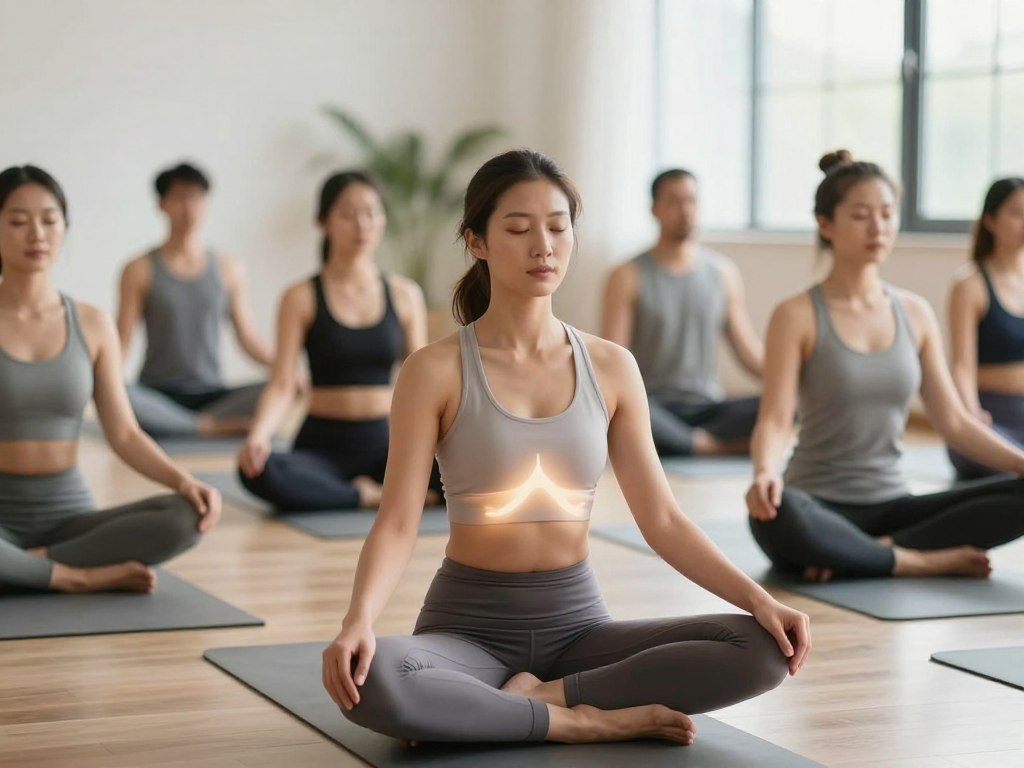
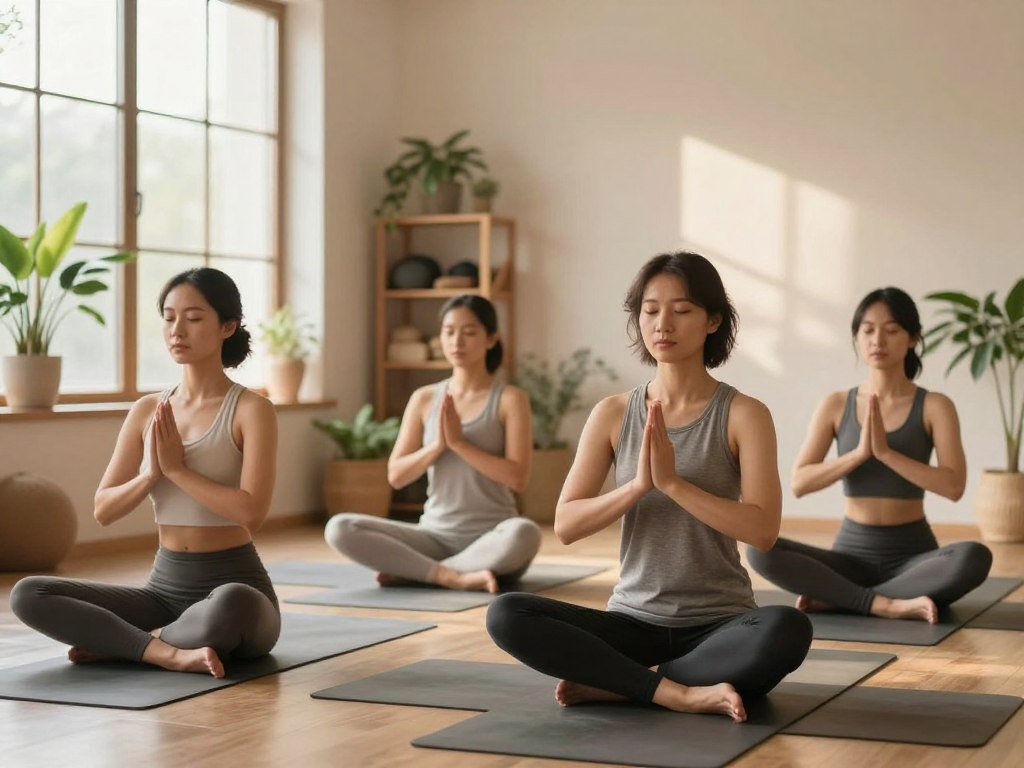
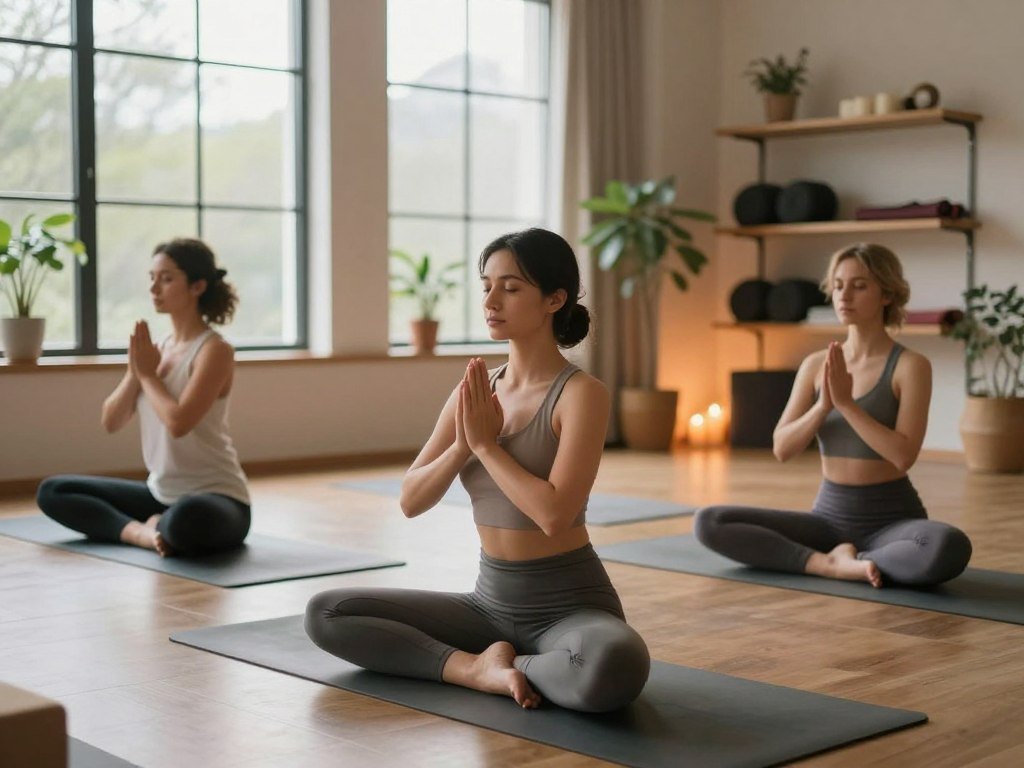
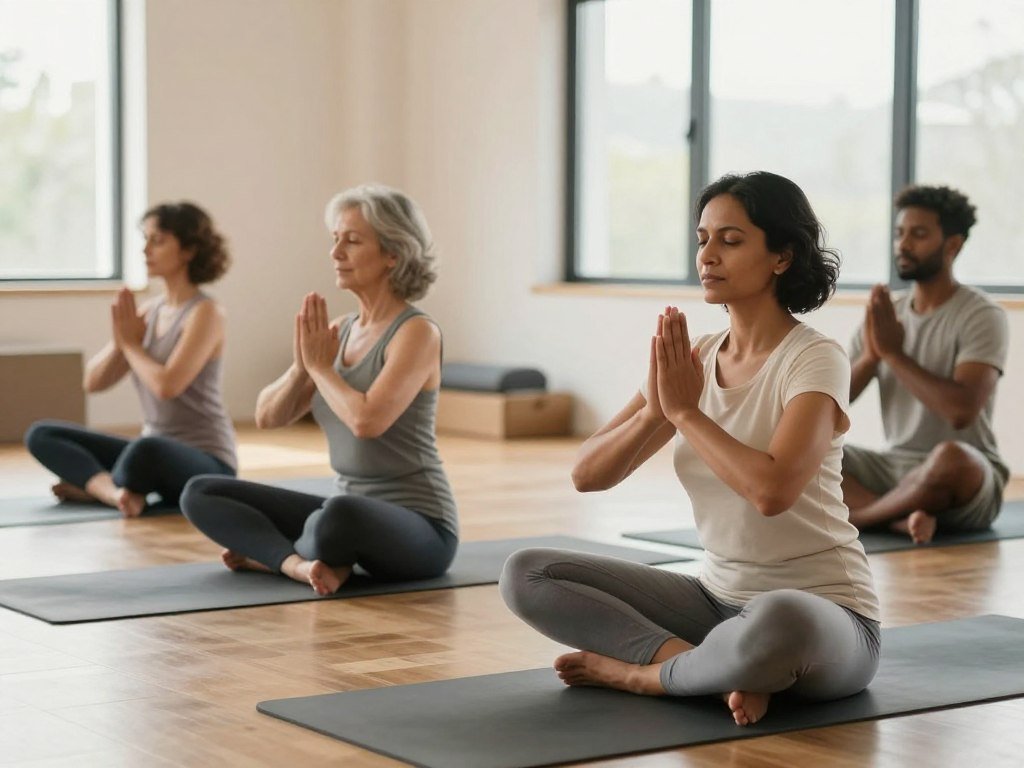
The foundation of your practice begins with your physical posture. You should sit in a stable position, such as Sukhasana or Padmasana, on a firm surface or a folded blanket. Maintaining an erect spine is crucial, as it allows for the free flow of energy and unobstructed movement of the diaphragm.
Keep your shoulders relaxed and your hands resting comfortably on your knees. It is important to keep the rest of your body as still as possible throughout the session. This stillness helps you focus entirely on the movement of your abdomen.
Mastering the Active Exhalation
The core of this technique lies in the forceful, active exhale. As you exhale, you must quickly contract your abdominal muscles inward toward your spine. This action pushes the air out of your lungs with a sharp, audible sound.
Follow these essential kapalbhati pranayama steps to get the rhythm right:
- Inhale deeply and naturally to prepare.
- Exhale sharply by pulling your navel toward your spine.
- Keep the chest and shoulders completely still during the contraction.
- Focus on the speed and intensity of the abdominal snap.
Understanding the Passive Inhalation
Many beginners often struggle with the inhale, but it is actually the simplest part of the process. After the forceful exhale, you must allow the inhalation to happen naturally and effortlessly. Do not try to force air into your lungs; instead, let your abdominal muscles relax, which creates a vacuum that draws air back in.
By mastering this cycle, you will learn the true kapalbhati pranayama how to do it effectively. The goal is to create a rhythmic, pumping motion that feels fluid rather than strained. With consistent practice, this pattern will become second nature, allowing you to enjoy the full benefits of the breathwork.
Essential Kapalbhati Pranayama Techniques for Beginners
Developing a solid technical base is essential for anyone starting their journey with this ancient breathwork. By focusing on the mechanics of your movement, you ensure that your practice remains both safe and highly effective. Mastering these kapalbhati pranayama techniques early on prevents unnecessary strain and helps you achieve better results over time.
Maintaining Proper Posture and Spinal Alignment
Your physical foundation is the most critical element of your session. You should sit in a comfortable, upright position with your spine elongated and your chest open. It is vital to keep your shoulders relaxed and your neck neutral throughout the entire process.
By keeping the upper body still, you allow the energy to flow freely without obstruction. This stability in your posture acts as an anchor for your focus. When your spine is aligned, you create the necessary space for your diaphragm to move with ease.
Engaging the Abdominal Muscles Correctly
The core of this practice lies in the rhythmic movement of the lower abdomen. You must learn to isolate these muscles while keeping the rest of your body completely relaxed. As you exhale, pull your belly button toward your spine with a sharp, intentional motion.
This specific action is what drives the breath out of your lungs. Following this kapalbhati pranayama beginner guide, you will notice that the inhalation happens naturally as a passive response. Avoid the temptation to move your chest or shoulders, as this indicates that you are using the wrong muscle groups.
“The breath is the bridge which connects life to consciousness, which unites your body to your thoughts.”
Managing the Pace and Rhythm
Beginners often make the mistake of rushing through their rounds. It is much better to start at a slow, steady pace to build integrity in your movement. Focus on the quality of each breath rather than the quantity of repetitions.
Once you feel comfortable with the rhythm, you can gradually increase your speed. Consistency is the secret to progress, so aim for a steady cadence that feels sustainable for your current level of fitness.
| Focus Area | Beginner Approach | Advanced Goal |
|---|---|---|
| Abdominal Control | Slow, deliberate pulses | Rapid, rhythmic contractions |
| Posture | Checking alignment often | Effortless, natural stillness |
| Breath Pace | One breath per second | Two breaths per second |
Common Mistakes to Avoid During Practice
Many practitioners inadvertently introduce strain into their sessions without realizing it. Even when you are committed to your kapalbhati pranayama practice, small errors in form can limit the benefits you receive. By identifying these common pitfalls, you can ensure your routine remains a source of vitality rather than physical discomfort.
Avoiding Excessive Force in Exhalation
A frequent error is pushing the breath out with too much intensity. While the exhalation should be active, it must remain controlled and rhythmic rather than explosive. Using excessive force can lead to abdominal soreness or dizziness, which detracts from the calm focus required for a successful kapalbhati pranayama practice.
Preventing Tension in the Shoulders and Face
It is common for beginners to carry stress in their upper body while focusing on abdominal movements. You might find your shoulders creeping toward your ears or your jaw clenching during the rapid exhales. Consciously softening your facial muscles and keeping your shoulders relaxed allows the energy to flow more freely throughout your body.
Correcting Shallow Breathing Patterns
Some individuals focus so much on the speed of the breath that they forget to engage the diaphragm fully. If your breath stays only in the upper chest, you miss out on the deep cleansing effects of this technique. Ensure that your abdominal wall moves naturally with each cycle to maintain the integrity of your kapalbhati pranayama practice.
Remember that consistency is more important than intensity. If you feel yourself struggling or becoming overly tired, take a moment to pause and reset your posture. Listening to your body is the most effective way to refine your technique and enjoy a sustainable, rewarding experience.
Kapalbhati Pranayama Benefits for Beginners
Embarking on a journey with breathwork offers transformative results for those just starting out. Many people find that kapalbhati pranayama benefits are accessible even if you have never practiced yoga before. By focusing on consistent, rhythmic movements, you can unlock significant improvements in your daily life. Understanding these kapalbhati pranayama benefits for beginners is the first step toward building a sustainable and rewarding habit.
Stress Reduction and Mental Clarity
The rhythmic nature of this practice acts as a natural anchor for a wandering mind. As you engage in the active exhalation, you effectively purge the mind of clutter and unnecessary distractions. This process helps to quiet the internal noise that often leads to feelings of overwhelm.
Many practitioners notice that their ability to concentrate improves after just a few sessions. By dedicating time to this focused breathing, you create a sanctuary of calm within your busy schedule. This mental clarity serves as a foundation for better decision-making and emotional balance throughout the day.
Improving Lung Capacity and Oxygenation
Beyond the mental perks, this technique plays a vital role in physical health by enhancing respiratory efficiency. The forceful exhalations encourage the lungs to empty more completely, which allows for a deeper, more refreshing intake of air. This process significantly improves your overall lung capacity over time.
Increased oxygenation throughout the body helps to revitalize your cells and boost your natural energy levels. When your blood is well-oxygenated, you may feel more alert and physically capable during your daily activities. This practice is truly a gateway to heightened awareness and physical vitality.
| Benefit Category | Primary Impact | Result for Beginner |
|---|---|---|
| Mental Health | Stress Reduction | Increased focus and calm |
| Respiratory | Lung Capacity | Improved oxygen intake |
| Physical | Metabolic Flow | Higher energy levels |
Safety Precautions and Contraindications
While the benefits of breathwork are vast, understanding the limitations of your body is essential for a safe experience. Approaching your kapalbhati pranayama practice with mindfulness ensures that you gain the most from your efforts without risking your physical well-being. Always consult with a healthcare professional if you have underlying health concerns before starting.
When to Avoid This Practice
Certain health conditions make this intense breathing technique unsuitable for some individuals. You should avoid this kapalbhati pranayama practice if you are currently dealing with specific medical issues that could be aggravated by rapid abdominal movement.
- Recent abdominal or thoracic surgery.
- High blood pressure or cardiovascular disease.
- Pregnancy or the immediate postpartum period.
- Hernia or severe gastric ulcers.
- History of retinal detachment or glaucoma.
Listening to Your Body Signals
Your body is the best guide during any kapalbhati pranayama practice. If you feel dizzy, lightheaded, or experience sharp pain, stop the exercise immediately and return to your natural breathing rhythm. It is crucial to respect your limits rather than pushing through discomfort.
Consistent, gentle progress is far more effective than forcing your body into a state of stress. If you feel overwhelmed, take a break and resume only when you feel completely centered and calm.
| Condition | Risk Level | Recommendation |
|---|---|---|
| High Blood Pressure | High | Avoid entirely |
| Recent Surgery | High | Consult a doctor |
| Mild Fatigue | Low | Practice gently |
| Pregnancy | High | Avoid entirely |
Integrating Kapalbhati into Your Daily Routine
Transforming your health starts with the simple act of showing up for your breath every single day. When you commit to a regular kapalbhati pranayama practice, you create a reliable anchor for your nervous system. This consistency is the secret to unlocking the long-term vitality that this ancient technique offers.
Building Consistency Over Time
The most effective way to solidify your habit is to aim for a 30-day streak. By performing your session at the same time each morning, you signal to your brain that it is time for mental clarity and renewal. You might find it helpful to place your meditation cushion in a visible spot to serve as a gentle reminder.
Tracking your progress in a journal can also keep you motivated during the first few weeks. As you maintain your kapalbhati pranayama practice, you will likely notice that your body begins to crave the rhythmic movement of the abdomen. This natural integration makes the process feel less like a chore and more like a refreshing gift to yourself.
Combining Breathwork with Meditation
Once you finish your active breathing, your body is perfectly primed for deep stillness. Transitioning directly into a seated meditation allows you to observe the subtle shifts in your energy and focus. This combination creates a holistic wellness experience that balances physical stimulation with mental peace.
You can start by sitting quietly for five minutes after your final round of breathwork. During this time, simply notice the natural flow of your air and the calm state of your mind. Integrating your kapalbhati pranayama practice with meditation turns a simple exercise into a profound journey of personal growth that evolves alongside your daily life.
Advanced Variations and Progression
If you are ready to deepen your experience, these advanced variations offer a path toward greater mastery. Once you have built a solid foundation, you can start to refine your approach by exploring more complex kapalbhati pranayama techniques. This stage of your journey focuses on increasing your endurance and internal awareness.
Increasing the Number of Rounds
Progression is a gradual process that rewards patience and consistency. You might begin by extending the duration of your current sets, slowly adding more repetitions to each cycle. Many practitioners aim for the traditional 108-breath count, which is considered a sacred number in many yogic traditions.
Listen to your body as you increase your volume. It is important to maintain a steady, rhythmic pace rather than rushing through the breaths. By slowly building your capacity, you ensure that your practice remains safe and effective over the long term.
Incorporating Bandhas for Deeper Control
To take your practice to the next level, you can begin to integrate bandhas, or energy locks. These techniques help you contain and direct the vital energy generated during your breathwork. Utilizing these kapalbhati pranayama techniques allows for a more profound sense of internal stability and focus.
The most common lock used is Jalandhara Bandha, or the throat lock, which is often applied at the end of a round. By engaging these locks, you create a container for the heat and energy you have cultivated. Always approach these advanced methods with mindfulness, ensuring you feel fully prepared before adding them to your daily routine.
Expert Tips for Sustained Practice
Building a long-term kapalbhati pranayama practice requires more than just physical effort; it demands a mindful approach to your daily routine. By focusing on the subtle shifts in your body, you can transform this breathing exercise into a sustainable habit that supports your overall well-being. Consistency is the key to unlocking the full potential of your breathwork journey.
Tracking Your Progress and Sensations
To truly understand how your body responds, consider keeping a simple journal of your sessions. Note how you feel before and after each round, paying close attention to your energy levels and mental clarity. Tracking these small details helps you identify patterns and adjust your intensity as needed.
It is vital to listen to your body’s unique signals during every session. If you feel lightheaded or overly fatigued, take a moment to pause and return to natural, rhythmic breathing. Remember that progress is not about speed, but about the quality of your focus and the steadiness of your rhythm.
“The breath is the bridge which connects life to consciousness, which unites your body to your thoughts.”
Staying Hydrated and Mindful
Proper hydration is essential for maintaining a healthy respiratory system and supporting your overall kapalbhati pranayama practice. Drinking water throughout the day ensures that your throat and lungs remain comfortable during active breathing. Always aim to practice in a space that feels clean, quiet, and inviting to your senses.
After completing your active rounds, it is crucial to stabilize your system. You should always end your session with a few minutes of slow, deep, and gentle breathing. This transition helps to ground your energy and allows your nervous system to return to a state of calm.
- End with stillness: Spend at least three minutes in silent meditation after your breathwork.
- Monitor your posture: Ensure your spine remains tall and your chest open throughout the entire session.
- Stay consistent: Even five minutes of daily practice is more effective than an hour once a week.
- Observe the silence: Notice the quiet space between your breaths to deepen your mindfulness.
By integrating these expert tips, you will find that your practice becomes an elegant and effortless part of your day. Staying mindful of your post-practice state ensures that you carry the benefits of your breathwork into every other aspect of your life. With patience and dedication, you will enjoy the rewards of this ancient technique for years to come.
Conclusion
Transforming your daily wellness routine starts with a single conscious breath. Kapalbhati pranayama benefits extend far beyond the yoga mat, touching every aspect of your physical and mental health.
You now possess the tools to cultivate inner peace and sharp mental clarity. Consistent practice remains the most effective way to unlock these lasting kapalbhati pranayama benefits. Your commitment to this rhythmic breathing technique will yield significant rewards over time.
Patience serves as your strongest ally while you refine your skills. Listen to your body as you explore the subtle shifts in your energy levels. Each session brings you closer to a state of balanced harmony.
Begin your journey toward a radiant life today. Share your experiences with the community or reach out to local experts at studios like CorePower Yoga to deepen your understanding. Your path to a clearer mind and a stronger body starts with the very next breath you take.