


Yoga for a Healthier, Happier Life
Imagine starting your day with a sense of calm and clarity, feeling more energized and focused. For many, this is the reality that yoga brings into their lives. As the popularity of yoga continues to grow in the United States, more people are discovering its numerous benefits, from improved physical health to enhanced mental well-being.
Regular yoga practice has been shown to increase energy levels and reduce stress. As people incorporate yoga into their daily routines, they often experience a profound impact on their overall quality of life. By exploring the world of yoga, you can unlock a healthier, happier you.
Key Takeaways
- Yoga can increase energy levels and reduce stress.
- Regular practice improves physical and mental health.
- Yoga is becoming increasingly popular in the United States.
- Incorporating yoga into daily life can enhance overall well-being.
- A healthier, happier life is achievable through consistent yoga practice.
What is Yoga and Its Benefits?
The practice of yoga encompasses a wide range of techniques aimed at uniting the body, mind, and spirit. This ancient discipline has been practiced for centuries, originating in India and now enjoyed worldwide for its numerous benefits. By combining physical postures, breathing techniques, and meditation, yoga offers a holistic approach to achieving a healthier, happier life.
Overview of Yoga Practices
Yoga is not just a physical exercise; it’s a comprehensive system that includes various practices to promote overall wellbeing. These practices include asanas (physical postures), pranayama (breathing techniques), and dhyana (meditation). Each of these components plays a crucial role in enhancing flexibility, balance, strength, and cardiovascular health, while also reducing stress and anxiety.
Physical Benefits of Yoga
The physical benefits of yoga are multifaceted. Regular practice can lead to improved flexibility, balance, and strength. It can also enhance cardiovascular function and reduce chronic pain. The table below summarizes some of the key physical benefits associated with yoga practice.
| Physical Benefit | Description |
|---|---|
| Improved Flexibility | Yoga helps increase range of motion and reduces stiffness. |
| Enhanced Strength | Various yoga postures build muscular strength. |
| Better Balance | Yoga improves balance and coordination. |
| Cardiovascular Health | Certain yoga practices can improve heart health. |
Mental and Emotional Benefits
Beyond its physical benefits, yoga has a profound impact on mental and emotional health. It is known to reduce stress, anxiety, and depression by promoting relaxation and enhancing mood. Through meditation and mindfulness, yoga encourages a deeper connection with oneself, fostering a sense of calm and wellbeing.
In conclusion, yoga is a multifaceted practice that offers a wide range of benefits for the body, mind, and spirit. By incorporating yoga into one’s lifestyle, individuals can experience improved physical health, reduced stress and anxiety, and a greater overall sense of wellbeing.
Yoga Styles for Every Individual
The diversity of yoga styles ensures that there’s something for everyone, regardless of age, fitness level, or personal objectives. This variety allows individuals to explore different practices and find what suits them best.
Hatha Yoga for Beginners
Hatha yoga is an excellent starting point for those new to yoga. It focuses on physical postures (asanas) and breathing techniques (pranayama), providing a solid foundation for understanding the basics of yoga. Hatha yoga is typically practiced at a slower pace, allowing beginners to grasp the fundamentals without feeling overwhelmed.
Vinyasa for Dynamic Movement
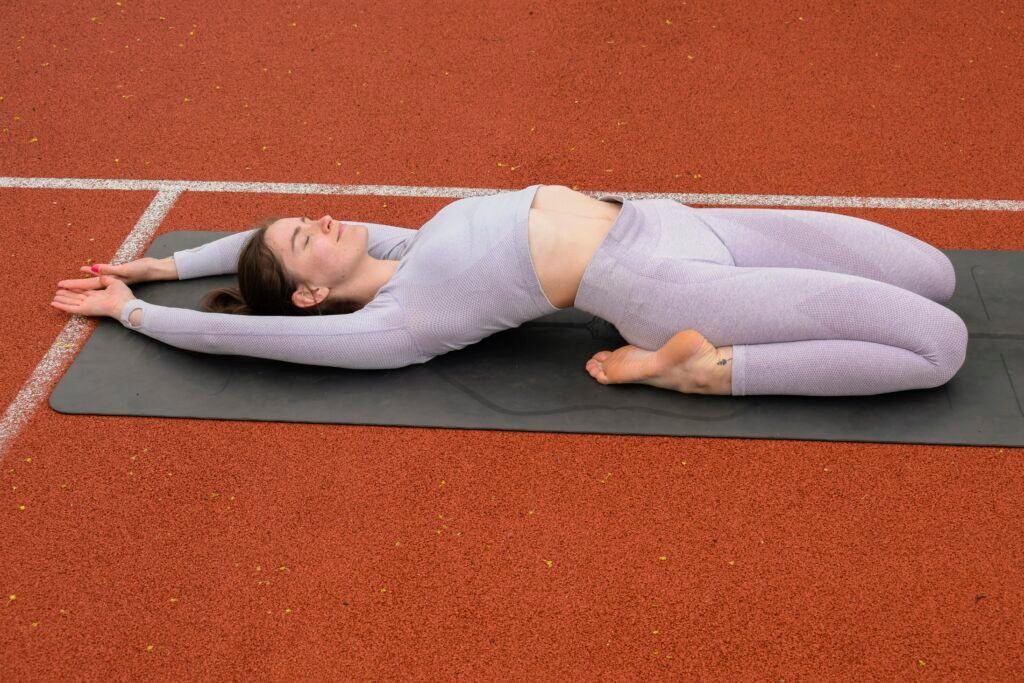
Vinyasa yoga, also known as flow yoga, is a more dynamic and flowing style of yoga. It involves synchronizing breath with movement, flowing from one pose to another. This style is ideal for those who enjoy movement and are looking to improve their cardiovascular health and flexibility. Vinyasa yoga can be challenging, but it’s also highly rewarding for those who enjoy the flowing sequences.
Restorative Yoga for Relaxation
Restorative yoga is a calming and therapeutic practice that involves using props to support the body in relaxing postures. It’s designed to help practitioners unwind and rejuvenate, making it perfect for stress relief and relaxation. By allowing the body to rest and recover, restorative yoga promotes deep relaxation and can be particularly beneficial for those dealing with anxiety or fatigue.
Specialized Practices: Kundalini and Yin
Beyond the more commonly known styles, there are specialized practices like Kundalini and Yin yoga. Kundalini yoga focuses on the release of energy through postures, breathing, and meditation, aiming to awaken the energy at the base of the spine. Yin yoga targets the deeper tissues of the body, such as the connective tissues, through slow-paced, meditative postures held for extended periods. These practices offer unique benefits and can be a great way to deepen one’s yoga practice.
By exploring the various yoga styles, individuals can discover the practices that resonate with them the most, enhancing their overall yoga experience. Whether you’re looking for a dynamic workout or a relaxing escape, there’s a yoga style that’s right for you.
How to Start Your Yoga Journey
Starting your yoga practice is the first step towards a healthier, more balanced lifestyle. As you begin, you’ll discover that yoga is not just about physical postures but a holistic approach to well-being.
Choosing the Right Style for You
With numerous yoga styles available, selecting the one that suits you best can be overwhelming. Hatha Yoga is a great starting point for beginners, focusing on physical postures and breathing techniques. For those who prefer a more dynamic practice, Vinyasa Yoga offers a flowing sequence of poses.
| Yoga Style | Focus | Level |
|---|---|---|
| Hatha Yoga | Physical postures and breathing | Beginner |
| Vinyasa Yoga | Flowing sequences of poses | Intermediate |
| Restorative Yoga | Relaxation and rejuvenation | All levels |
Finding a Class or Online Resource
Once you’ve chosen a yoga style, the next step is to find a class or online resource. Local yoga studios, community centers, and gyms often offer classes for all levels. For those who prefer practicing at home, numerous online platforms and YouTube channels provide guided sessions.
Setting Up Your Practice Space
Creating a conducive practice space at home can enhance your yoga experience. Choose a quiet, clutter-free area with a non-slip surface. Invest in a good-quality yoga mat and props like blocks and straps to support your practice.
By following these self-care tips and incorporating yoga into your daily routine, you can effectively manage stress and improve your overall well-being.
Incorporating Yoga into Daily Life
Incorporating yoga into your daily routine can significantly enhance your emotional well-being and overall quality of life. By making yoga a part of your daily life, you can experience a profound impact on both your physical and mental health. This section will explore how to integrate yoga into your daily routines effectively.
Morning Yoga Routines
Starting your day with yoga can set a positive tone for the morning. Morning yoga routines can help increase energy levels and prepare your mind and body for the day ahead. A simple morning practice can include poses like Downward-Facing Dog and Warrior II, followed by some meditation techniques to center yourself.
- Begin with gentle stretches to loosen up your muscles.
- Incorporate breathing exercises to oxygenate your body.
- End your routine with a few minutes of meditation to clear your mind.
Yoga Breaks Throughout the Day
Taking short yoga breaks throughout the day can help reduce stress and improve productivity. Even a few minutes of yoga can make a significant difference. You can do some simple stretches at your desk or take a short walk outside to refresh your mind.
- Practice deep breathing exercises to calm your mind.
- Do some chair yoga poses to loosen up your back and neck.
- Take a short walk outside to refresh your mind and body.
Evening Wind-Down Sessions
Ending your day with yoga can help you unwind and prepare for a restful night’s sleep. Evening yoga practices can include gentle stretches and restorative poses to calm your mind and body. Incorporating meditation techniques during your evening practice can further enhance your relaxation.
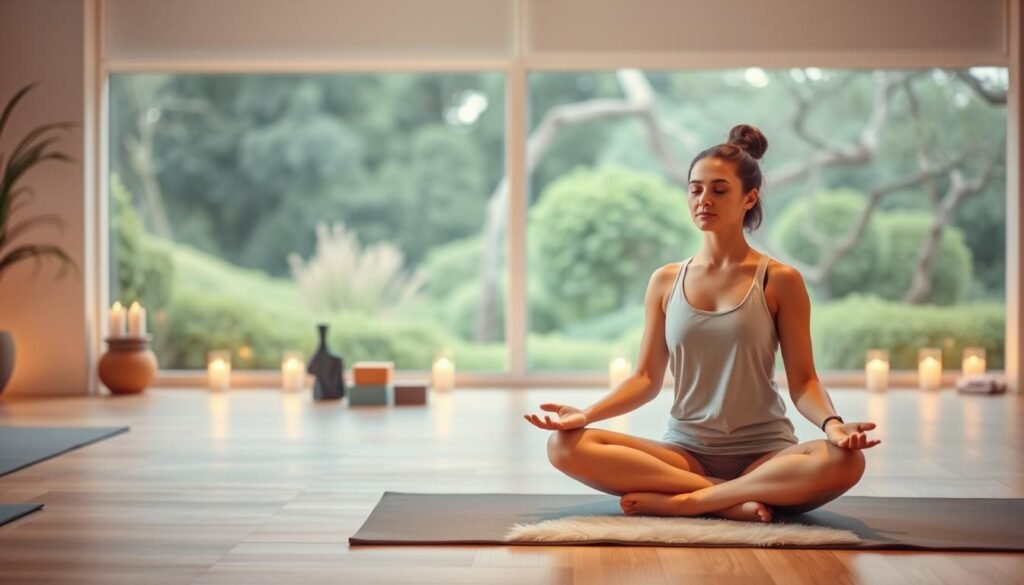
By incorporating these practices into your daily routine, you can experience significant improvements in your emotional well-being and overall quality of life. Remember, the key is consistency and making yoga a habit.
The Role of Mindfulness in Yoga
The practice of yoga is deeply intertwined with mindfulness, a powerful tool for achieving mental clarity and inner peace. Mindfulness, the practice of being fully present and engaged in the current moment, is a core component of yoga that enhances its benefits.
What is Mindfulness?
Mindfulness is the practice of paying attention to the present moment in a non-judgmental way. It involves being aware of one’s thoughts, feelings, and bodily sensations without getting caught up in them. This practice helps in reducing stress and anxiety by promoting relaxation and improving emotional regulation.
Techniques to Enhance Mindfulness During Practice
Several techniques can enhance mindfulness during yoga practice. These include:
- Focusing on the breath to anchor the mind in the present moment.
- Being aware of bodily sensations to understand the body’s limits and needs.
- Practicing meditation to cultivate a deeper state of mindfulness.
By incorporating these mindfulness practices, individuals can deepen their yoga practice and enjoy greater mental clarity and relaxation.
Regular mindfulness practice can lead to improved stress management and overall well-being. As individuals become more mindful, they are better equipped to handle life’s challenges with grace and resilience.
Nutrition and Yoga: A Complementary Relationship
Yoga and nutrition share a symbiotic relationship that can significantly impact overall well-being. The practice of yoga is not just about the physical postures or breathing techniques; it’s also deeply connected to the food we eat. A balanced diet can enhance the benefits of yoga, leading to a healthier and happier life.
Foods That Fuel Your Practice
The right foods can significantly impact your yoga practice. Consuming a diet rich in whole foods such as fruits, vegetables, whole grains, and lean proteins can provide the necessary energy and nutrients. Complex carbohydrates like brown rice and quinoa are excellent sources of sustained energy, while leafy greens like spinach and kale support muscle function and recovery.

Hydration Tips for Yogis
Hydration is a critical aspect of yoga practice. Adequate hydration helps maintain flexibility, prevents injuries, and supports the body’s recovery process. It’s recommended to drink water before, during, and after yoga practice. Electrolyte-rich beverages can also be beneficial, especially during intense or long practices.
Mindful Eating Principles
Mindful eating is about being fully present and aware while eating. It involves paying attention to the taste, texture, and smell of food, as well as the body’s hunger and fullness cues. Practicing mindful eating can enhance the yoga experience by fostering a deeper connection between the body and the food consumed. It’s about savoring each bite and eating slowly, which can lead to a more satisfying and nourishing experience.
By combining a balanced diet with regular yoga practice and mindful eating, individuals can experience significant improvements in their overall health and well-being. This holistic approach supports a healthier lifestyle, enhancing the benefits of yoga and contributing to a happier, more balanced life.
Yoga for Stress Relief
In today’s fast-paced world, stress has become an unwelcome companion for many, but yoga offers a powerful antidote. By understanding how yoga interacts with our body’s stress response, we can better appreciate its role in promoting relaxation and well-being.
Physical Responses to Stress
When we experience stress, our body triggers the “fight or flight” response, releasing hormones like cortisol and adrenaline. This natural response is meant to help us react to immediate threats, but chronic stress can lead to a state of prolonged tension, affecting both physical and mental health.
Common physical responses to stress include:
- Muscle tension
- Increased heart rate
- Rapid breathing
- Digestive issues
How Yoga Alleviates Stress
Yoga alleviates stress by activating the parasympathetic nervous system, which promotes relaxation and counters the effects of stress. Through a combination of physical postures, breathing techniques, and meditation, yoga helps to:
| Yoga Practice | Effect on Stress |
|---|---|
| Physical Postures | Reduces muscle tension, improves flexibility |
| Breathing Techniques | Slows down heart rate, promotes relaxation |
| Meditation | Calms the mind, reduces anxiety |
Breathing Techniques to Implement
Breathing techniques are a cornerstone of yoga practice and play a crucial role in stress relief. Some effective techniques include:
- Diaphragmatic Breathing: Engages the diaphragm, promoting deep, relaxed breathing.
- Alternate Nostril Breathing: Balances the breath, calming the nervous system.
- 4-4-4 Breathing: Involves breathing in for 4 seconds, holding for 4 seconds, and exhaling for 4 seconds, promoting relaxation.
By incorporating these techniques into your daily routine, you can better manage stress and enhance your overall well-being. Regular yoga practice not only helps in alleviating immediate stress but also builds resilience against future stressors.
Community and Connection in Yoga
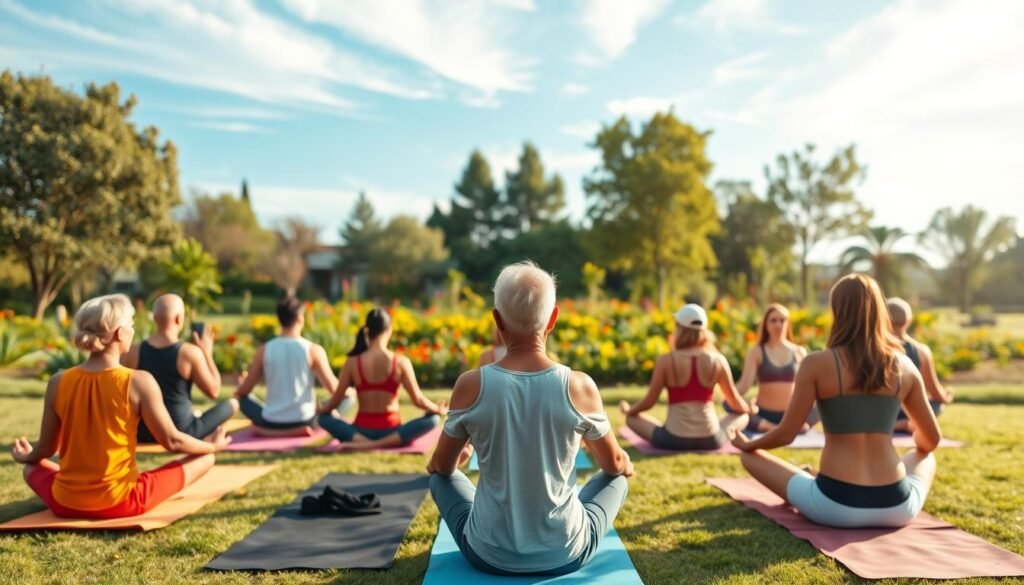
The yoga community is a vibrant and diverse group of individuals who share a common interest in holistic health and emotional well-being. This collective energy can be a powerful catalyst for deepening one’s practice.
Finding Your Yoga Tribe
Finding a yoga community that resonates with you can be a transformative experience. It involves seeking out like-minded individuals who share your interests and values. Local yoga studios, community centers, and online platforms are great places to start your search.
When you find your yoga tribe, you’re more likely to stay motivated and inspired. This sense of belonging can enhance your practice, making it more enjoyable and rewarding.
Online Communities and Social Media
In today’s digital age, online communities and social media have become essential tools for connecting with others who share your passion for yoga. Online forums, social media groups, and specialized apps can provide valuable resources and support.
These platforms allow you to connect with yogis from around the world, share experiences, and learn from others. They can be particularly beneficial for those who prefer practicing at home or have schedules that don’t align with local studio classes.
Benefits of Practicing with Others
Practicing yoga with others can have numerous benefits, including enhanced motivation, support, and a sense of belonging. Being part of a community can also provide opportunities for growth and learning.
- Increased motivation to practice regularly
- Support from like-minded individuals
- Opportunities to learn from others
- A sense of belonging to a community
By embracing the communal aspect of yoga, you can enrich your practice and contribute to the well-being of those around you.
The Science Behind Yoga and Wellbeing
Research into yoga’s effects on health has yielded compelling evidence of its benefits. The practice, which combines physical postures, breathing techniques, and meditation, has been studied extensively for its impact on both physical and mental wellbeing.
Research on Yoga’s Effects on Health
Numerous studies have demonstrated the positive effects of yoga on various aspects of health. For instance, yoga has been shown to improve flexibility, balance, and strength, while also reducing chronic pain and inflammation.
- Improved cardiovascular health through reduced blood pressure and increased vascular function.
- Enhanced respiratory function, including increased lung capacity and more efficient oxygen intake.
- Better sleep quality, which is crucial for overall health and recovery.
These physical benefits are complemented by the positive impact of yoga on mental health. Techniques such as meditation and deep breathing have been shown to reduce stress and anxiety, promoting a sense of calm and wellbeing.
“Yoga is not just a practice; it’s a journey towards understanding the self and achieving a state of inner peace.” – B.K.S. Iyengar
Yoga’s Impact on Mental Health
The mental health benefits of yoga are multifaceted. Regular practice has been linked to reduced symptoms of depression and anxiety, improved mood, and enhanced cognitive function.
Meditation techniques, a core component of yoga, play a significant role in these benefits. By fostering mindfulness and reducing mind-wandering, meditation can lead to a more stable and positive mental state.
Key benefits include:
- Reduced stress and anxiety through regular practice.
- Improved emotional regulation, helping individuals respond more effectively to challenging situations.
- Enhanced focus and concentration, contributing to better performance in work and daily activities.
Tips for Maintaining a Consistent Practice
Establishing a consistent yoga practice can be challenging, but with the right approach, it can become a sustainable part of your healthy lifestyle practices. Regular practice is key to experiencing the full benefits of yoga, from improved physical health to enhanced mental wellbeing.
Setting Realistic Goals
Start by setting achievable goals for your practice. This could mean committing to a certain number of sessions per week or dedicating a specific time each day to yoga. By setting realistic targets, you’ll be more likely to stick to your routine and make progress.
Overcoming Common Challenges
Identify potential obstacles that might disrupt your practice, such as lack of time or motivation. Finding solutions to these challenges, like practicing at home or joining a yoga community, can help you stay on track. Incorporating self-care tips, such as listening to your body and taking rest when needed, is also crucial.
Celebrating Progress
Acknowledge and celebrate your progress along the way. Whether it’s mastering a new pose or simply showing up to your mat consistently, recognizing your achievements will help motivate you to continue. By doing so, you’ll be able to maintain a consistent practice that supports your overall wellbeing and healthy lifestyle practices.